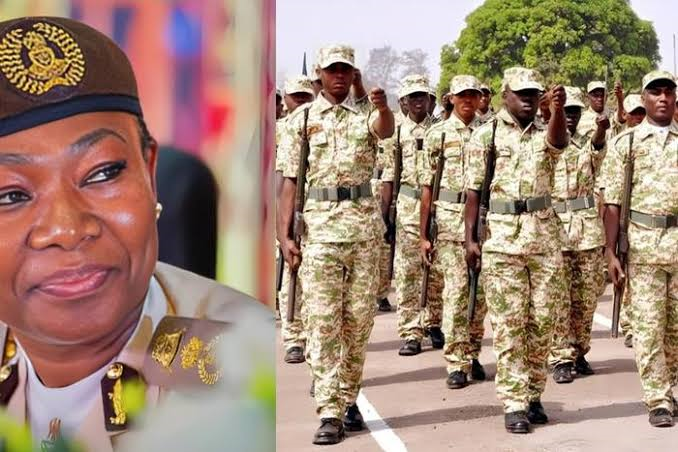
Nigeria Immigration Training Allowance.
If you are getting ready to resume at an Immigration training school this year, one question probably sits at the top of your mind: will you be paid anything while you train, and if so, how much. The short answer is yes. Recruits taken into the Nigeria Immigration Service do not train for free.
They receive a monthly stipend throughout the training period, and in this piece I want to walk you through exactly what that looks like, who qualifies for what, and what happens once training wraps up.
Read also: £45K UK Construction Jobs for Immigrants With Work Permit: Roles, Salaries and How to Apply
Nigeria Immigration Training Allowance
Let’s start with the basics of what this money actually is.
The Nigeria Immigration Service is one of the country’s key paramilitary bodies, sitting under the Ministry of Interior and handling everything from passport issuance to visa processing and the movement of people across our borders. Before anyone earns the right to wear the uniform and carry out these duties, they pass through a compulsory training programme at a designated Immigration training school. During that stretch, recruits are not yet drawing a full officer’s salary. Instead, they get what is officially called a training allowance, a monthly payment meant to cover their upkeep while the actual training runs its course.
Now to the figure everyone wants: how much does this allowance come to. Based on the most current information available for 2026, trainees can expect anywhere between twenty thousand and fifty thousand naira per month, and where you land on that scale depends heavily on your entry qualification.
This is not a flat, one-size-fits-all payment. Someone who got in with an SSCE certificate will sit closer to the lower end of that range, while a recruit who entered with a higher qualification, such as a degree or HND, tends to be placed further up the scale. It mirrors how the eventual full salary structure works too, where educational qualification plays a direct role in what you earn.
It helps to be clear-eyed about what this allowance is for.
It is not designed to replace a salary, and it was never meant to make anyone comfortable.
Its whole purpose is survival money, covering the basics like feeding, getting around, and small personal expenses while you are confined to training. Beyond the cash stipend, trainees are also given a few other forms of support that ease the burden. Most training camps provide accommodation and meals directly, so recruits are not left to fend for housing on their own during this period.
There is usually access to basic medical care as well, so if a trainee falls sick or gets injured during drills, they are not left stranded without help. Some camps go further and organise sporting activities, competitions, and other recreational outlets, partly because training can be mentally and physically draining, and partly because it builds the kind of discipline and teamwork the job demands later.
One thing worth stressing again and again to anyone joining is that this allowance is temporary by design. The day training officially ends and a recruit passes out as a confirmed member of the Nigeria Immigration Service, the training allowance stops immediately. From that point, the person moves onto the regular salary structure attached to their rank, which is considerably higher and comes with a fuller package of allowances, including things like training allowance for future courses, leave allowance, hazard-related payments, and eventually pension contributions under the federal contributory scheme. So while the training period might feel financially tight, it is a short bridge rather than a permanent state, and it leads somewhere better once you cross it.
A question that comes up often is whether the amount paid during training is fixed and guaranteed to stay the same. It is not. Government-set allowances across paramilitary agencies are reviewed from time to time, and the Immigration Service is no exception. Figures that applied a couple of years back are not necessarily what apply today, and what applies this year may shift again before the next recruitment cycle. If you are currently in the system or about to join, it is worth staying alert to official communication from the Service rather than relying on outdated numbers circulating online.
It is also useful to understand how this fits into the wider picture of paramilitary recruitment in Nigeria. The Immigration Service is not alone in offering a training allowance. Agencies like the NDLEA and others run similar structures, paying recruits something during the training window even though the amounts differ from one agency to another.
What makes the Immigration Service stand out to many applicants is not just the training stipend itself but what waits on the other side of it: a career path with real structure, defined ranks running from entry level positions all the way up through Superintendent and Comptroller grades, and a promotion system tied to years served, performance, and further qualifications gained along the way. For a lot of young Nigerians weighing their options, that long-term trajectory matters more than the modest monthly figure they receive while still in training.
If there is one thing to take away from all this, it is that the training period, while not financially glamorous, is a deliberate and necessary stage. The allowance exists to keep you fed and stable, not to make you rich, and the moment you complete the programme, everything shifts to a proper salary and a proper career. Anyone stepping into this journey should go in with that expectation set correctly from day one.
And because government pay structures do get revised, it is always worth checking for the latest confirmed figures closer to your own resumption date rather than assuming last year’s numbers still hold.










1 thought on “Nigeria Immigration Training Allowance”